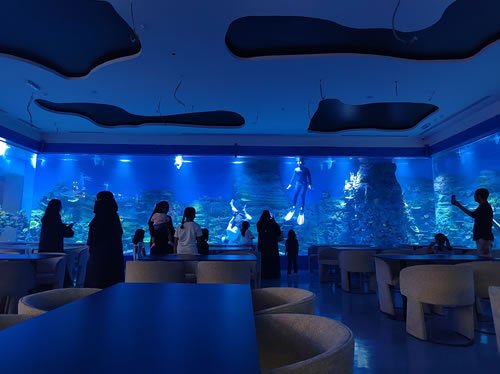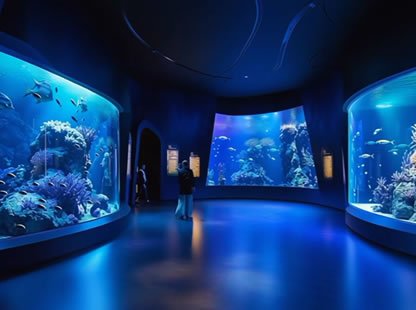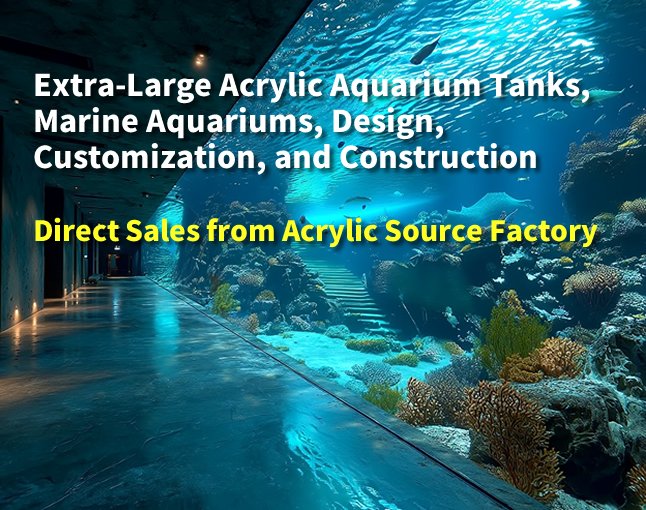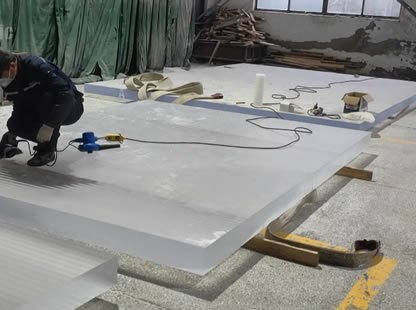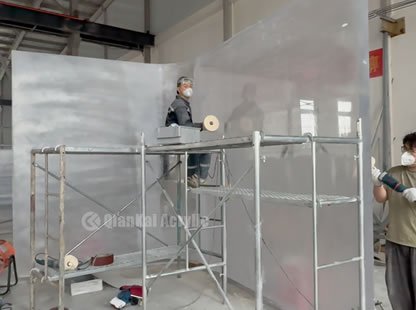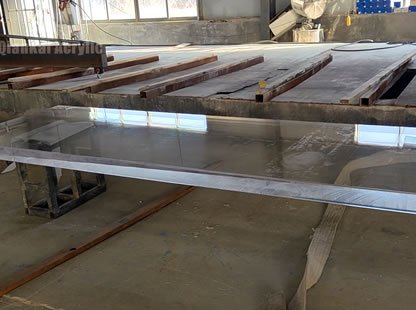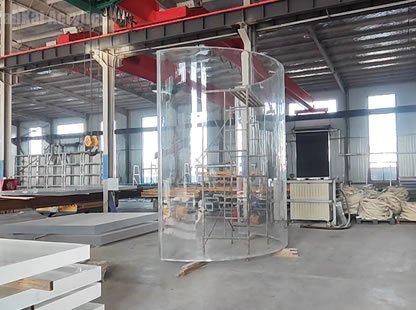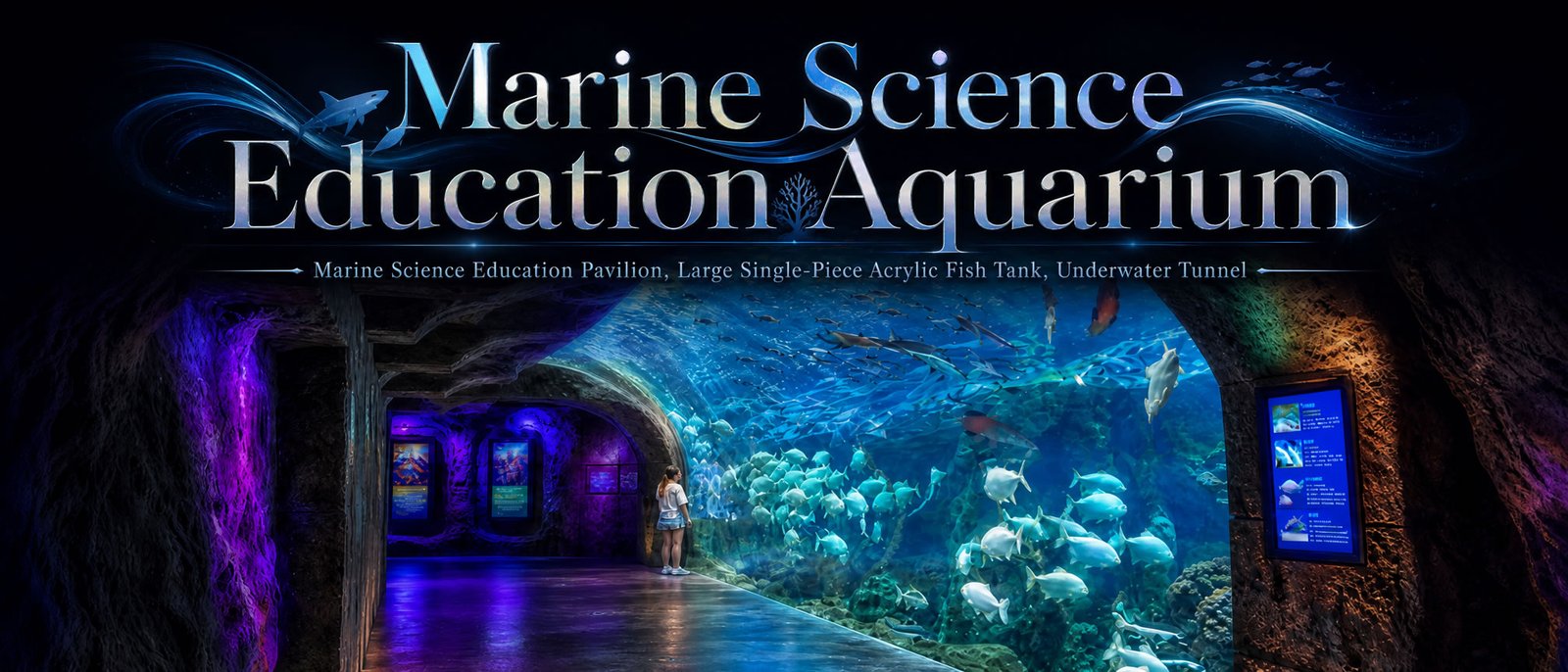
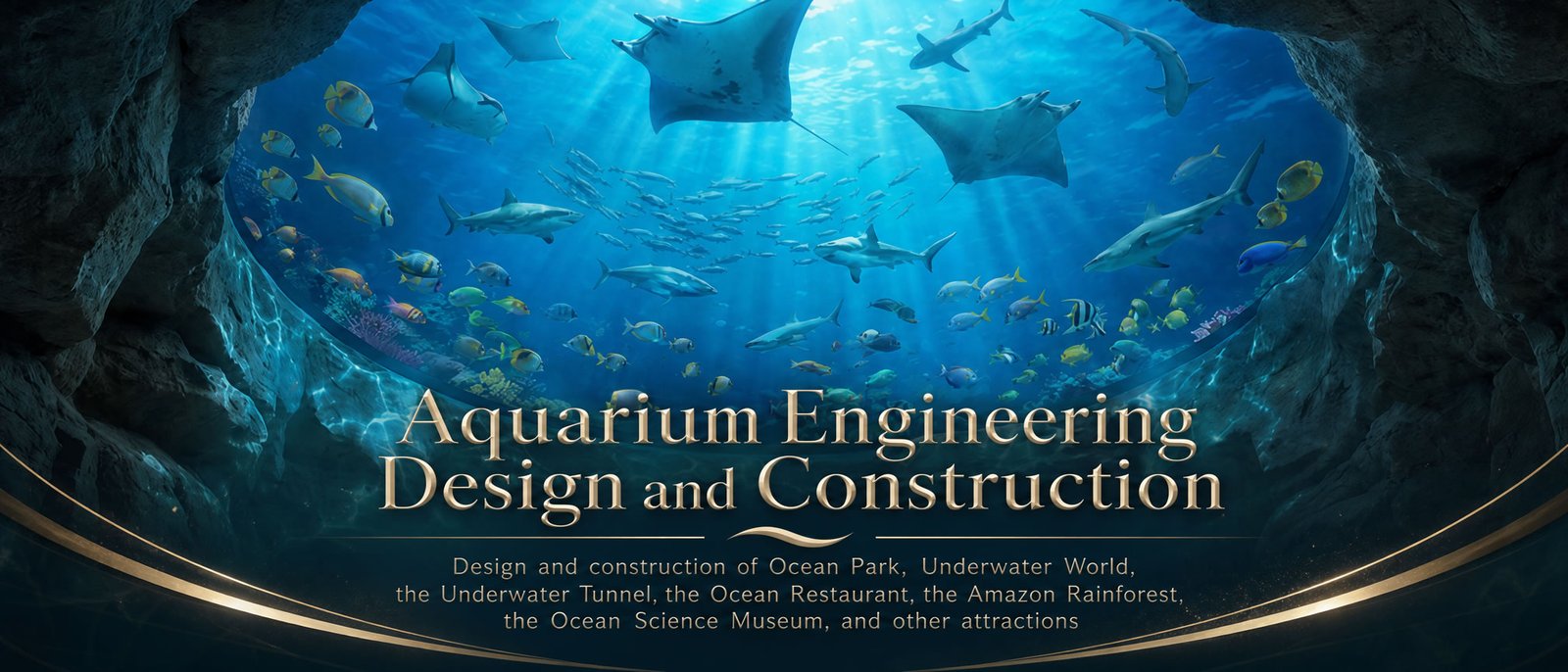



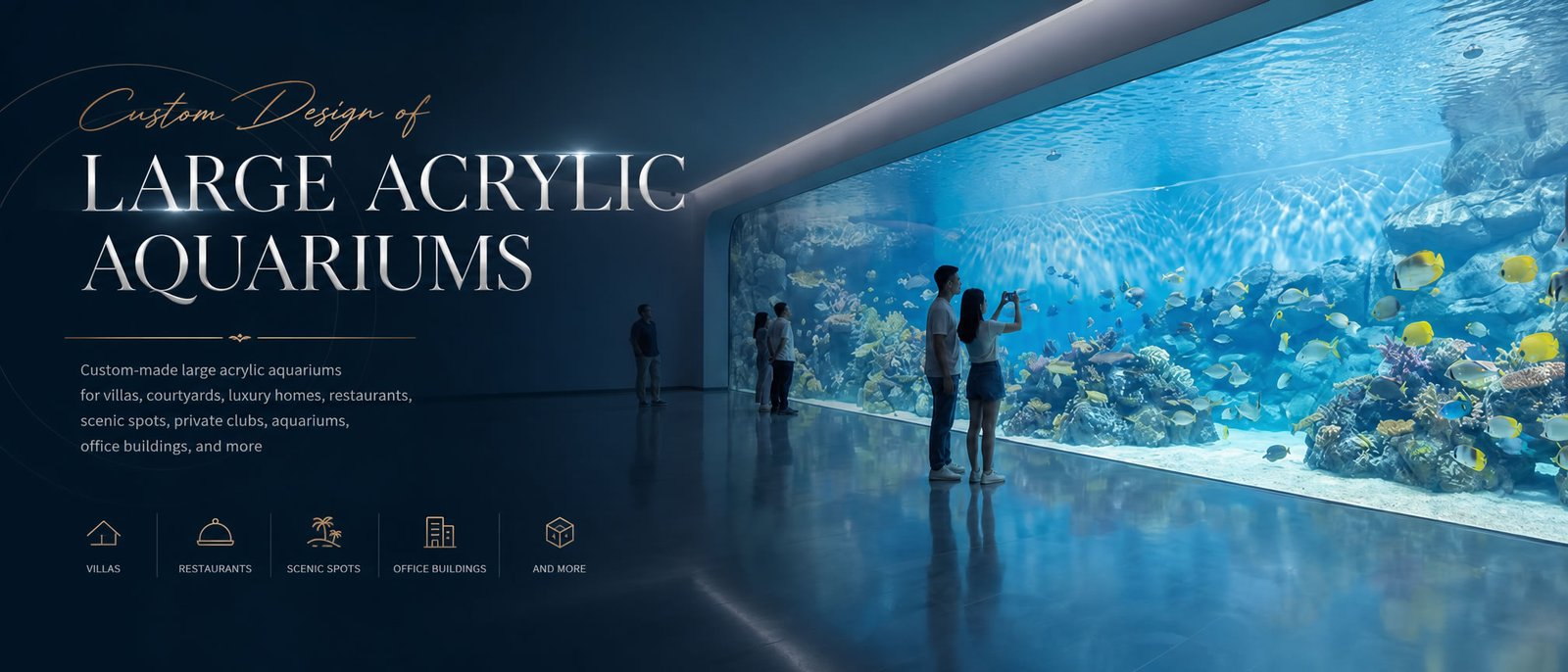

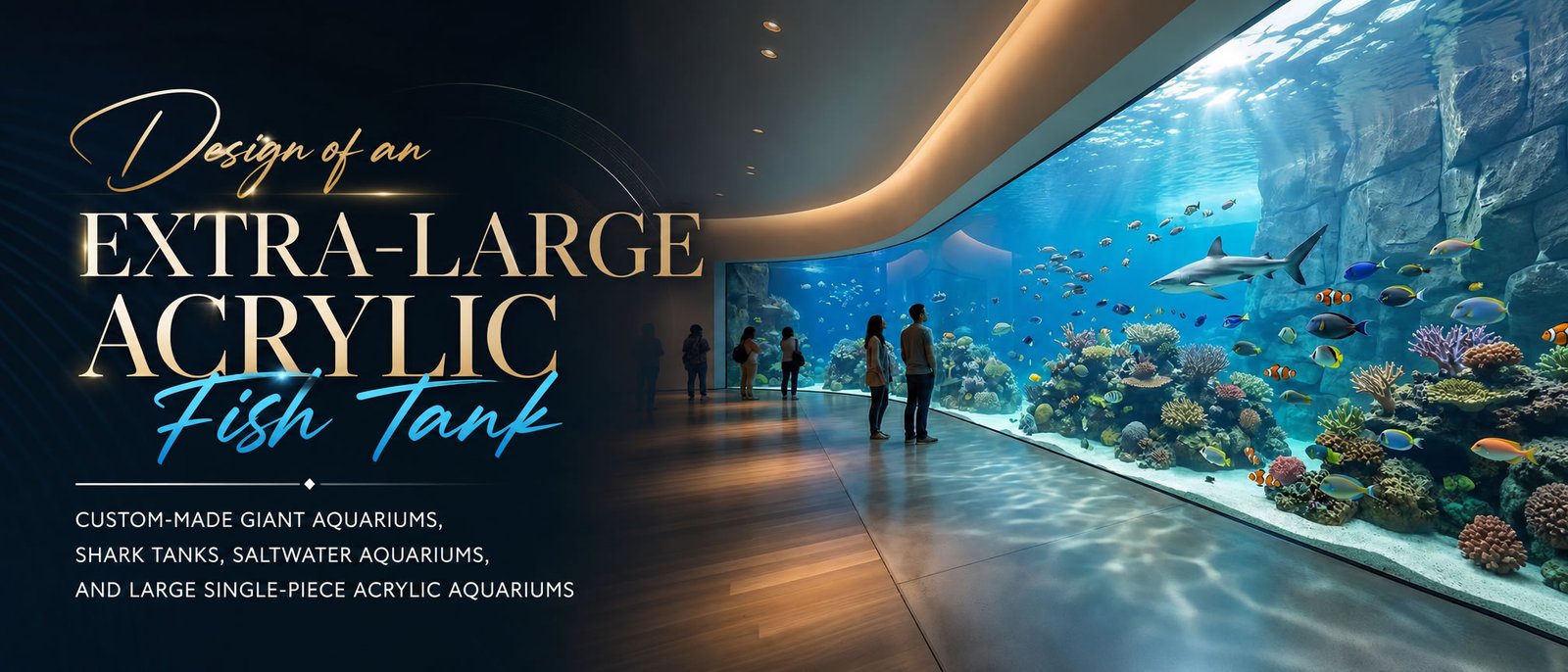
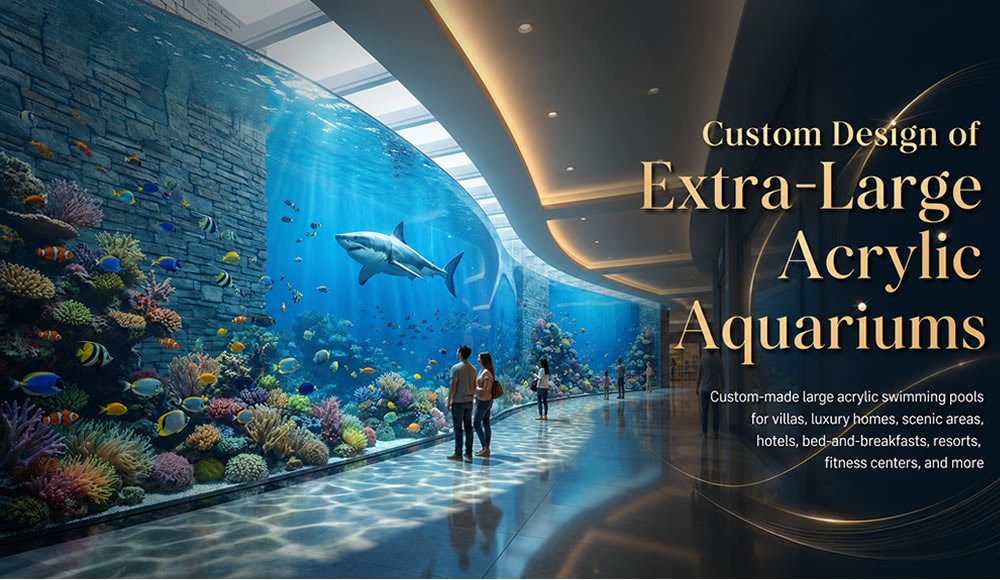

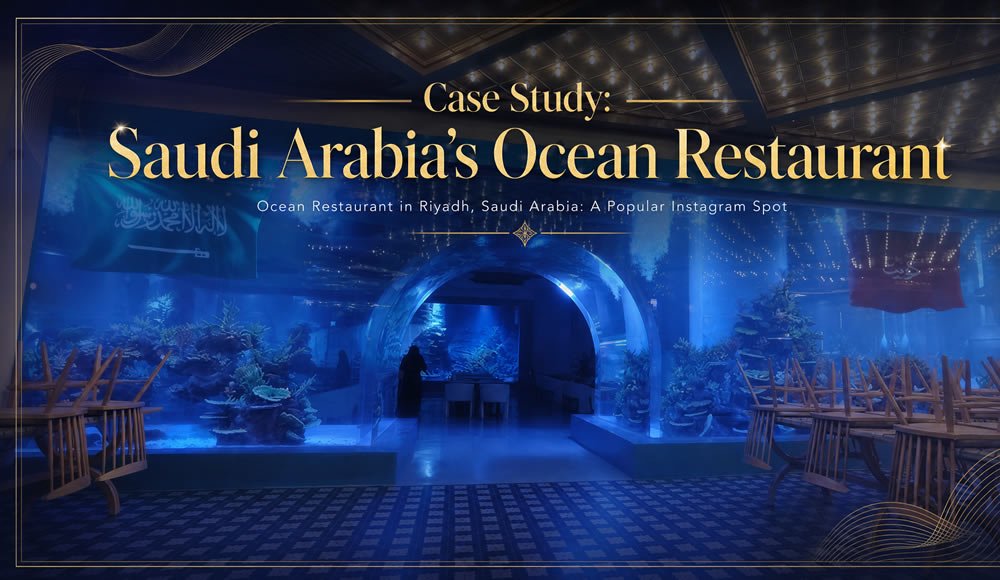


Strolling through the acrylic underwater tunnel, visitors are surrounded on both sides and overhead by the crystal-clear, transparent depths of the ocean. As colorful schools of fish dart back and forth and the azure waters flow gently by, visitors feel as though they are standing in the very center of the boundless ocean, embracing marine life up close. While many are captivated by this dreamlike scenery, few realize that this visually stunning spectacle of ultimate transparency relies on a safety barrier constructed from ultra-thick 30-centimeter-thick acrylic panels. This thickness—far exceeding that of ordinary glass or standard aquarium panels—is not merely an unnecessary technical extravagance, but a design necessity for the deep-sea environment. It is also the key to the underwater tunnel’s ability to combine safety with visual appeal.
I. Why Does an Underwater Tunnel Require 30-Centimeter-Thick Acrylic Panels?
The acrylic panels used in ordinary home aquariums and small aquarium display cases are only a few millimeters to a few centimeters thick, which is sufficient to meet the demands of shallow-water environments. In contrast, underwater observation tunnels face the complex challenges of deep-water environments. The 30-centimeter-thick panels represent a precise design by engineers, incorporating principles of hydrostatic pressure, material properties, and long-term safety standards—with every inch of thickness playing a critical role.
First, they withstand the immense hydrostatic pressure of deep water, establishing a solid foundation for safety. According to the principles of fluid dynamics, water pressure increases continuously with every additional meter of depth. Underwater observation tunnels are typically located at depths ranging from several meters to over ten meters. The entire acrylic panel must continuously withstand immense water pressure from all directions, equivalent to a long-term load of several metric tons per square meter of panel surface. Under such high-pressure conditions, ordinary thin panels are highly susceptible to outward bulging, bending, deformation, and even cracking and leakage. The 30-centimeter-thick acrylic panels, with their exceptionally large cross-sectional thickness, significantly enhance the panels’ rigidity and compressive strength. They are able to evenly distribute water pressure, eliminating panel deformation and damage at the source, ensuring the tunnel structure remains stable and completely watertight, and providing visitors with an absolutely safe viewing experience.
Second, by leveraging the unique material properties of acrylic, potential long-term risks are mitigated. Acrylic (PMMA) is an organic polymer material that offers excellent toughness but relatively low flexural rigidity. It also exhibits a specific stress-creep phenomenon—when subjected to sustained high pressure over the long term, thin sheets gradually undergo irreversible deformation and aging over time, significantly shortening their service life. Unlike rigid and stable glass, increasing the thickness of acrylic panels is the most critical and effective solution for maintaining their flatness and stability in high-pressure aquatic environments over the long term. The extreme thickness of 30 centimeters perfectly compensates for acrylic’s lack of rigidity, effectively resisting creep deformation caused by long-term water pressure. This ensures the tunnel panels remain stable for decades, meeting the long-term operational requirements of marine parks and undersea tunnels.
Furthermore, it withstands complex external forces from the marine environment, enhancing structural durability. Underwater tunnels are not subjected to static pressure; they face daily challenges such as water erosion and wave motion, and occasionally encounter dynamic external forces like collisions from large fish or impacts from turbulent water currents. The 30-centimeter-thick cast acrylic panels feature a dense and uniform internal structure, offering exceptional impact and tear resistance, ensuring they will not crack or break due to sudden external forces. At the same time, these thick panels offer superior corrosion resistance and UV resistance, enabling them to withstand long-term exposure to seawater salinity and humid environments. They are resistant to yellowing, clouding, and deterioration, maintaining crystal-clear visibility over the long term and significantly reducing future maintenance costs.
Finally, they ensure structural stability for extremely large viewing surfaces. Acrylic panels in undersea tunnels are typically assembled from single, oversized sheets spanning vast distances; thin, lightweight panels cannot support such large, frameless, transparent viewing areas. A thickness of 30 centimeters meets the structural load requirements for large-span panels, eliminating the need for dense steel frameworks that would obstruct the view. This ensures the overall stability of the tunnel while delivering an unobstructed, immersive viewing experience, perfectly balancing engineering safety and visual enjoyment.
II. The Unique Charm of Acrylic Underwater Tunnels: More Than Just Sightseeing—An Immersive Deep-Sea Adventure
Among the many marine tourism attractions, acrylic underwater tunnels have always been an irreplaceable must-visit destination. Their appeal goes far beyond simply “watching fish and the ocean”; instead, leveraging the unique advantages of their material and spatial design, they create an immersive deep-sea experience that transcends imagination, redefining the way people interact with the ocean.
An exceptionally transparent, boundary-free visual experience breaks down the barrier between people and the ocean. The 30-centimeter-thick acrylic panels, crafted using high-precision casting and polishing techniques, boast a light transmittance of over 92%—far exceeding that of ordinary tempered glass—and feature a uniform, flawless surface free of ripples or distortion. Unlike conventional viewing windows, which offer only a single-sided view and are obstructed by frames, the underwater tunnel features a fully transparent, curved, dome-shaped structure that creates a 360° panoramic viewing space. As visitors walk through it, the thick panels become completely “invisible,” with their view unobstructed in any direction. Crystal-clear seawater, swaying seaweed, schools of tropical fish, leisurely swimming sea turtles, and gracefully gliding sharks envelop the visitor’s field of vision from all sides, blurring the boundary between land and sea and creating the sensation of truly being immersed in a secret deep-sea realm—the atmosphere is utterly captivating.
This soothing, immersive atmosphere—where stillness and movement intertwine—heals the mind and body from the clamor of daily life. Unlike the static displays in land-based exhibits, the underwater tunnel is a vibrant, dynamic ecological world. The deep-blue seawater flows gently, with light refracting through the water in layers to cast delicate, dancing ripples on the tunnel walls—gently swaying with the currents, creating a gentle and healing effect. Marine life of all colors glides freely through the space, their swimming rhythms varying in pace. Combined with the serene aquatic environment, this setting shields visitors from the noise and restlessness of the outside world. As you walk through the tunnel, your gaze follows the agile schools of fish, and your mind and body will unconsciously relax. Here, you can experience both the mystery and grandeur of the deep sea and the gentle healing power of nature’s creatures—a stress-relieving experience unique to the ocean.
The spatial aesthetics, blending a sense of technology with romance, redefine the way we experience the ocean. The use of 30-centimeter-thick acrylic panels is, in itself, a perfect fusion of modern engineering technology and natural aesthetics. This heavy, sturdy material supports a light and transparent deep-sea space, creating a striking visual contrast between the rigid engineering structure and the soft, dynamic marine scenery. During the day, natural light penetrates the water and the acrylic panels, creating a clear, soothing blue-hued space; at night, artificial lighting intertwines with the glow of the water, transforming the deep-sea world into a dreamlike, ethereal realm—as if visitors have stumbled upon a secret underwater paradise beneath the stars. This design, which transforms cutting-edge engineering into a gentle, romantic landscape, elevates the underwater tunnel from a mere sightseeing passageway to an immersive scene of great artistic value.
Combining educational value with aesthetic appeal, it unlocks a new way of understanding the ocean. Traditional marine education often relies on text, images, and specimens—which can be dry and abstract—while the underwater tunnel serves as a three-dimensional, vibrant classroom for marine ecology. Visitors can observe marine life up close and from all angles—their true forms, swimming behaviors, and symbiotic relationships—gaining a firsthand understanding of the diversity and balance of marine ecosystems. For children, this serves as a vivid and engaging introduction to nature; for adults, it is an excellent medium for deeply experiencing the ocean and cultivating a sense of awe for nature, transforming sightseeing from mere “check-ins” into a journey of knowledge and insight.
Conclusion
The 30-centimeter-thick acrylic panels serve as the undersea tunnel’s “safety armor” and the “foundation” for deep-sea romance. Behind this seemingly heavy and clunky thickness lie precise engineering calculations, stringent material standards, and the utmost safety considerations—using cutting-edge technology to safeguard every deep-sea stroll. Meanwhile, the crystal-clear visual experience, the immersive deep-sea atmosphere, and the soothing natural scenery transform cold engineering materials into a bridge connecting people to the ocean. It allows ordinary people to encounter the azure mysteries of the deep and experience the ocean’s grandeur and gentleness without having to travel far—this is the most captivating core charm of the acrylic undersea tunnel.










 Optimized by Seraphinite Accelerator