






When preparing to customize an acrylic fish tank, you should first understand the following points.
I. Understanding the Material: Why Choose Acrylic?
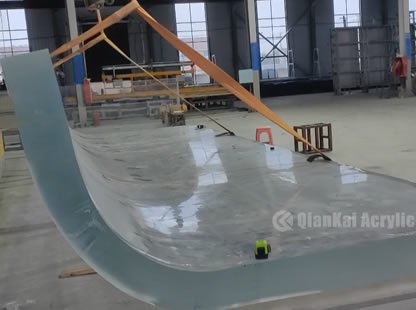
Before customization, it’s essential to grasp acrylic’s core characteristics. Compared to ordinary glass, acrylic is approximately 50% lighter yet boasts several times the impact resistance, significantly enhancing safety. Its light transmission rate exceeds 92%, delivering a crystal-clear visual effect. The material’s inherent malleability enables complex designs like curves and irregular shapes. Note, however, that acrylic’s surface hardness is lower than glass, making it more prone to scratches. Daily maintenance requires specialized cleaning tools.
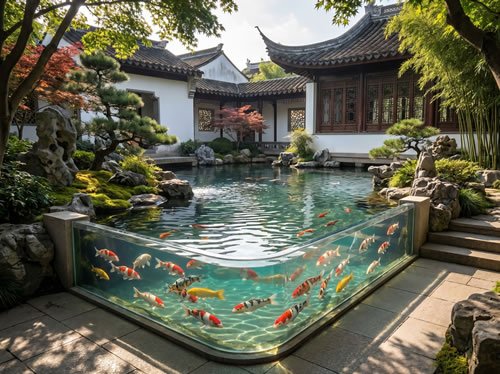
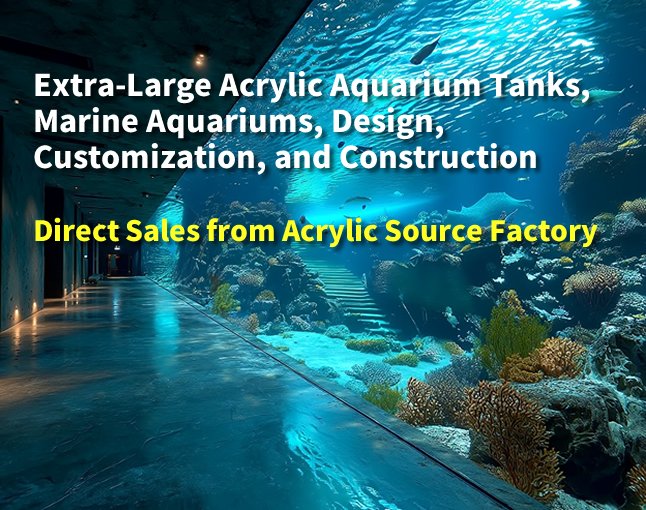
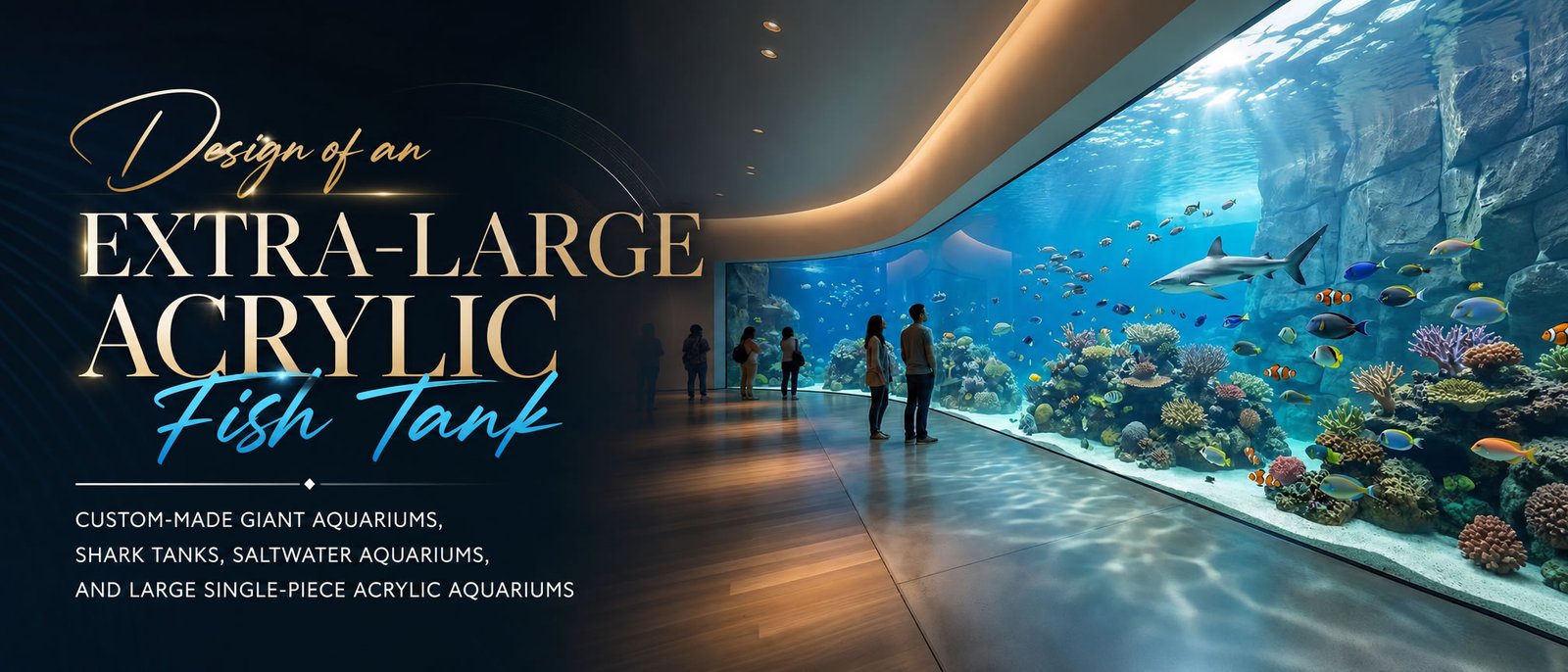
 Custom Acrylic Aquariums
II. Precise Planning: The Art of Dimensions and Design
Dimensions form the foundation of customization, requiring comprehensive consideration:
Space Measurement: Accurately measure the length, width, and height of the designated placement area, reserving at least 10-15 cm for filtration equipment, piping, and maintenance access.
Biological Requirements: The number, species, and future growth space of fish determine the tank volume. For instance, large ornamental fish or coral tanks require deeper water and stronger structural support.
Proportional Aesthetics: The golden ratio (e.g., 1:1.618) is often used to create visually harmonious tanks. Simultaneously, calculate the water volume weight (1 liter of water ≈ 1 kilogram) to ensure floor load-bearing safety.
Structural Design: Clarify with the manufacturer the glass thickness (typically increasing with height), whether reinforcement frames or top/bottom braces are needed. Open-top tanks require additional reinforcement.
III. Functional Integration: The Invisible Core Systems
A healthy ecosystem relies on meticulously designed hardware:
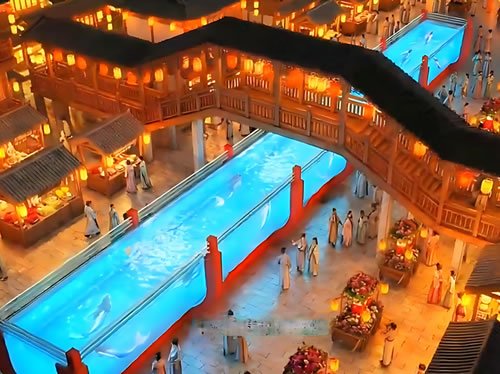
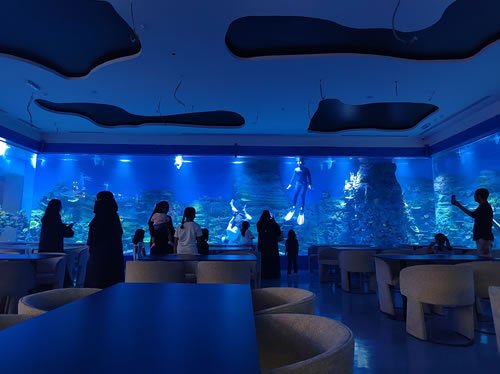
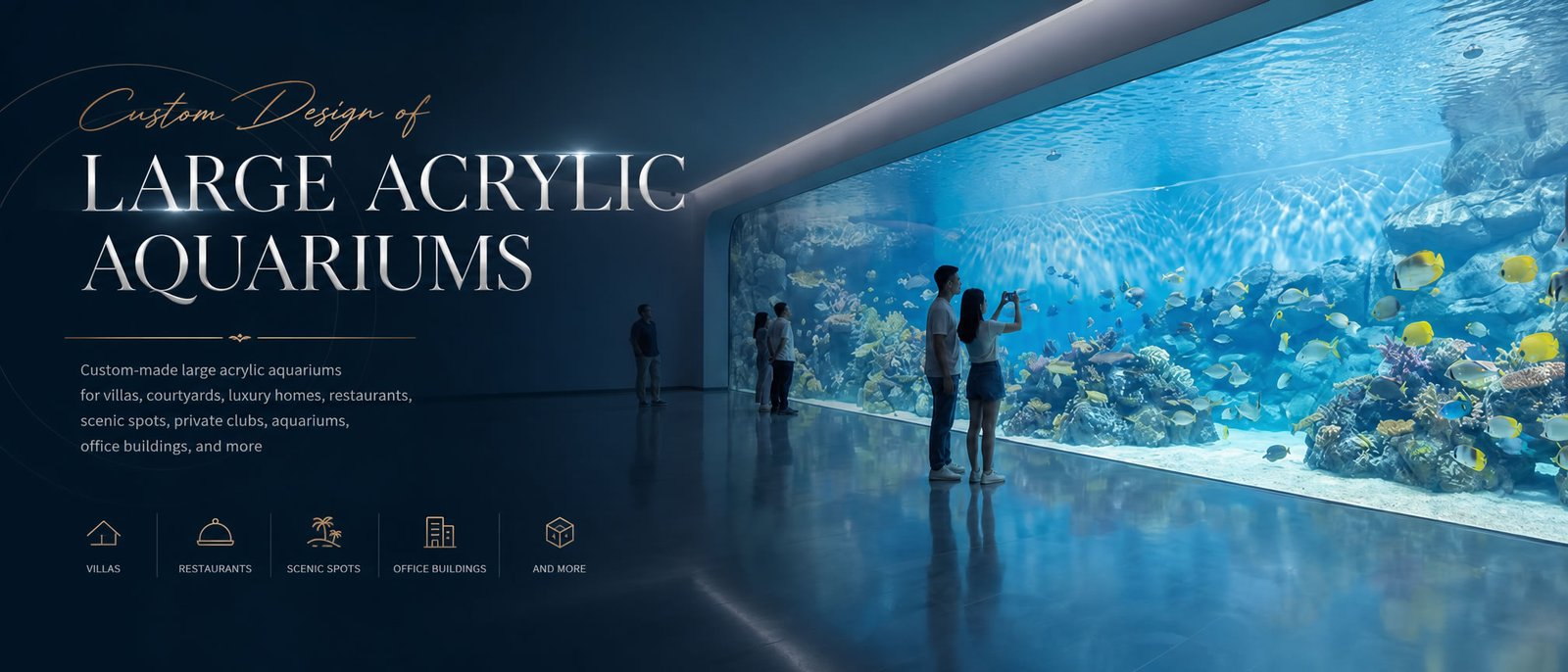
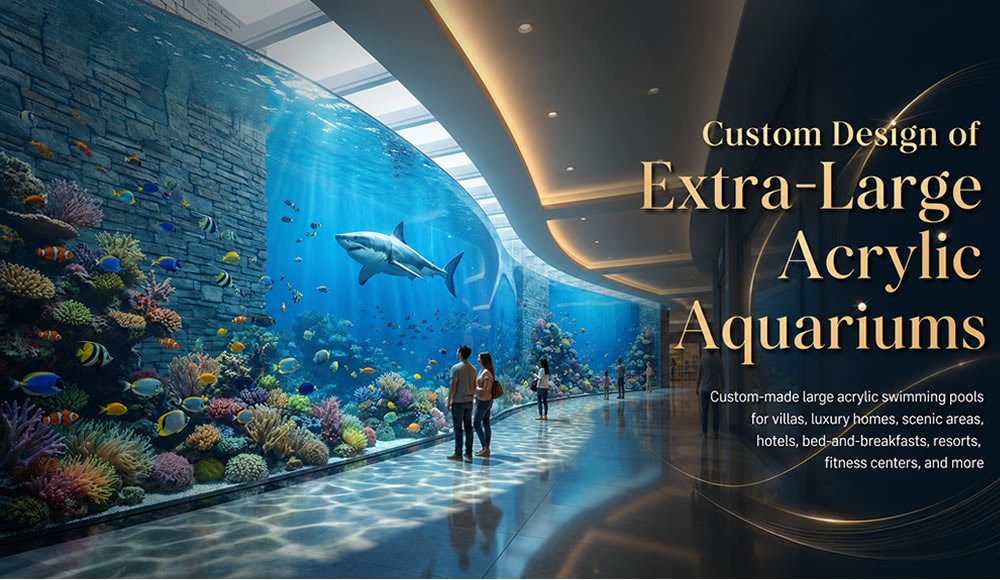
 Large Acrylic Aquarium
Filtration System: Select filtration type based on biological load (bottom filter, back filter, side filter, or external canister filter). The bottom filter tank capacity should be 20%-30% of the main tank volume.
Lighting Configuration: Require specialized full-spectrum LEDs or metal halide lamps for corals and aquatic plants, with planned mounting brackets or suspension points.
Temperature Control & Circulation: Calculate heater wattage at 1.5-2 watts per liter. Position wave pumps to prevent stagnant zones.
Pre-installed Piping: Pre-plan inlet/outlet ports and electrical holes. Require manufacturers to precisely cut openings and reinforce them.
IV. Communication and Selection: Finding Reliable Partners
When selecting manufacturers, focus on:
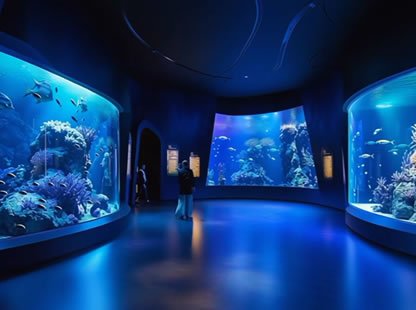
 Large Acrylic Aquarium Design
Request past project examples, particularly examining whether adhesive seams are smooth and uniform (acrylic bonding demands extremely high craftsmanship).
Confirm availability of 3D design preview services to ensure every detail meets expectations.
Clarify what the quote includes (transportation, installation, basic accessories), warranty period, and after-sales response methods.
Verify the brand and thickness certification of acrylic sheets used; food-grade materials offer enhanced safety.
V. Installation and Long-Term Maintenance
On installation day, inspect:
The tank body for scratches, bubbles, or deformation.
Use a level to calibrate before final positioning—any tilt will cause uneven stress distribution over time.
Conduct a minimum 24-48 hour static water test. Only begin aquascaping after confirming no leaks.










 Optimized by Seraphinite Accelerator