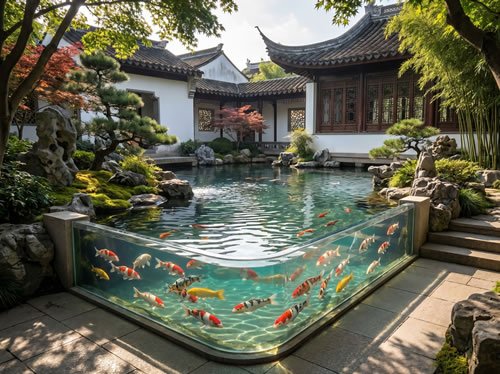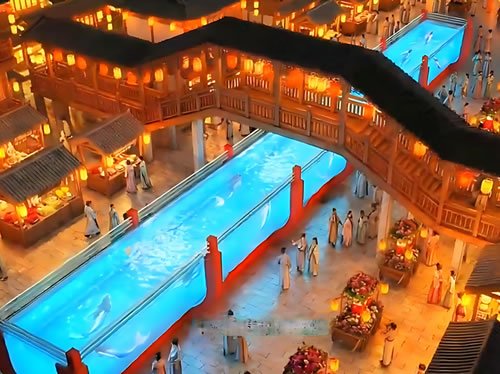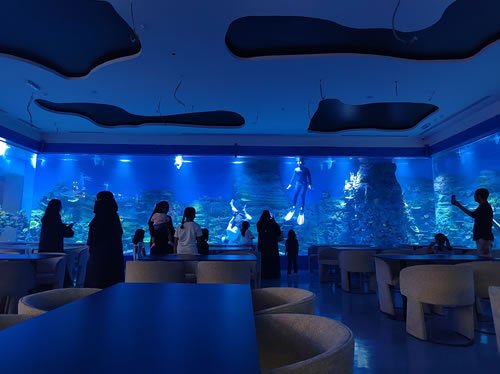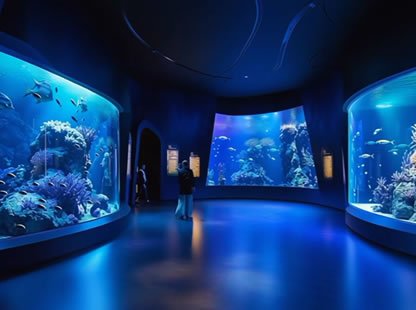
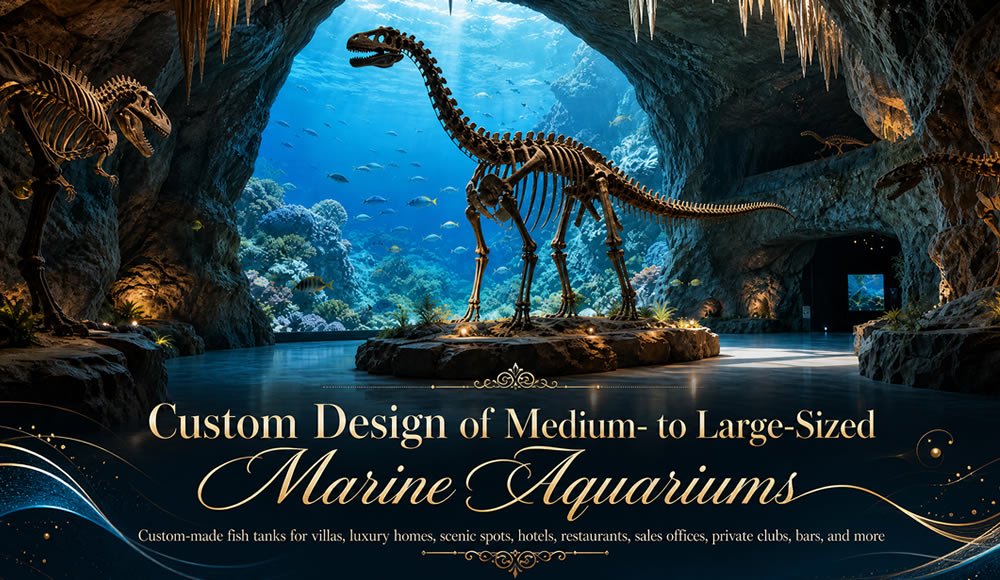
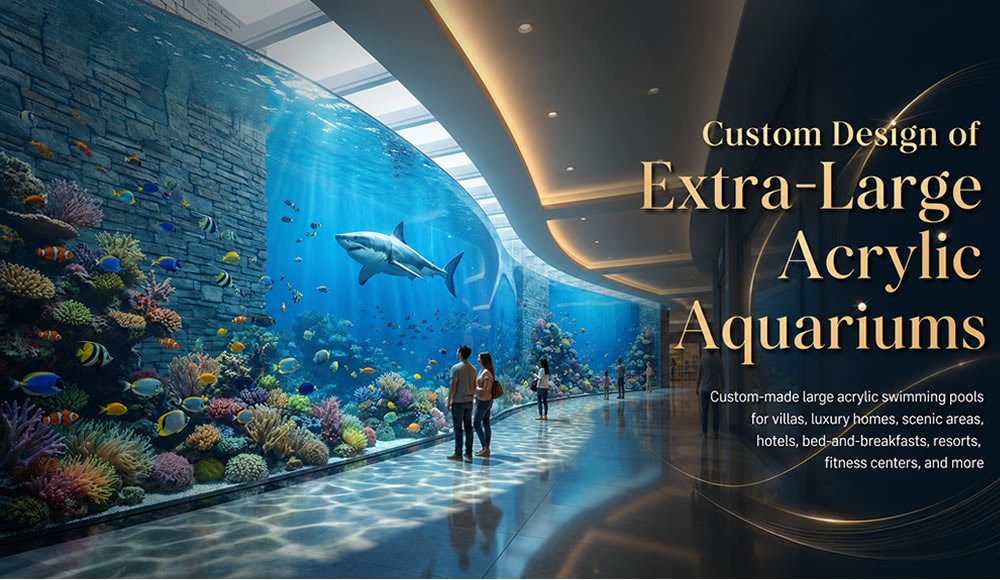
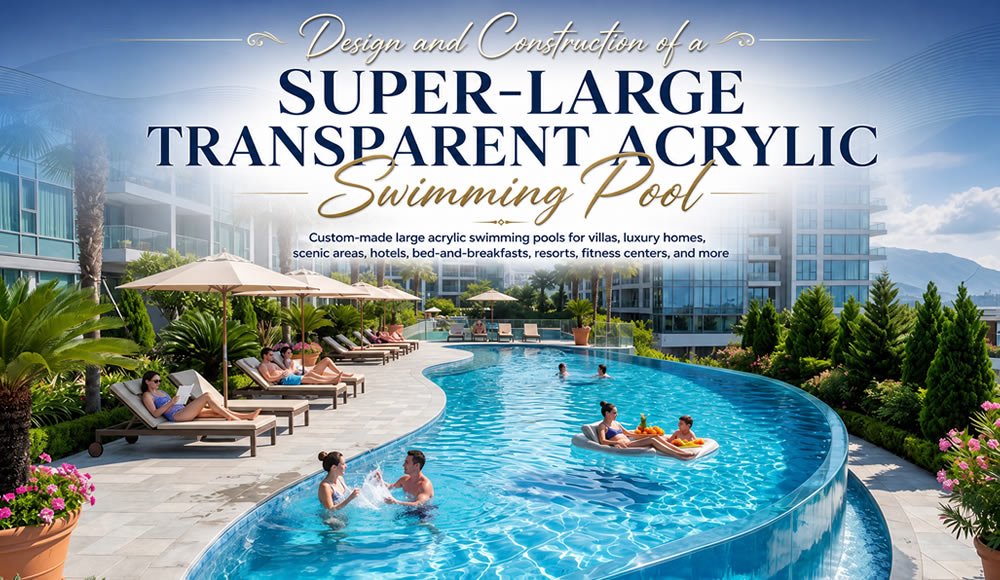
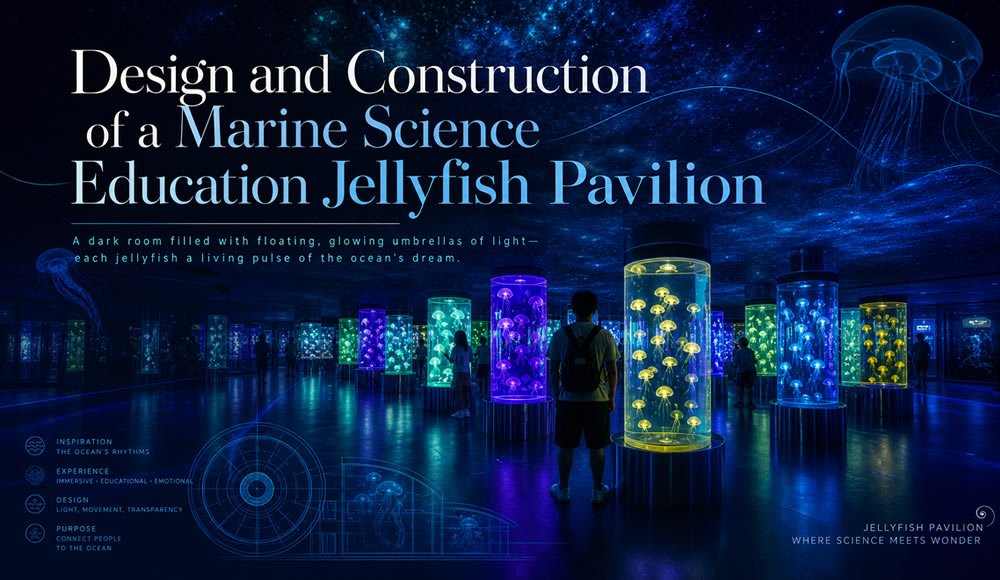
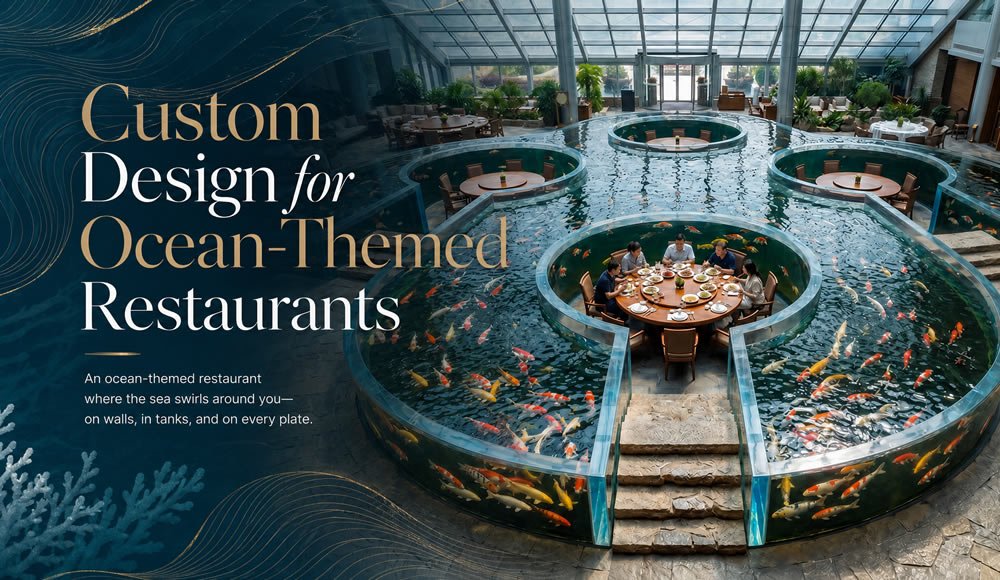
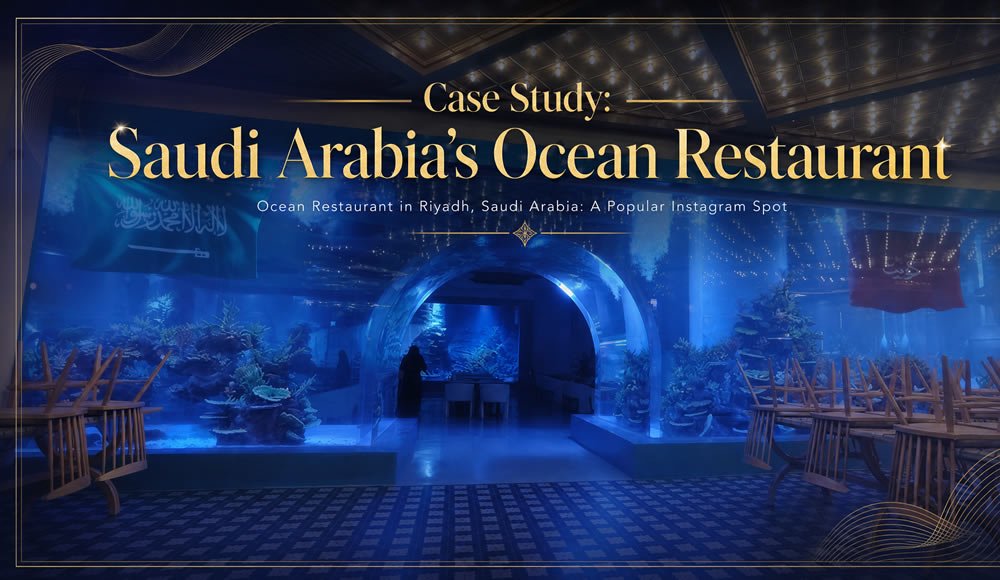
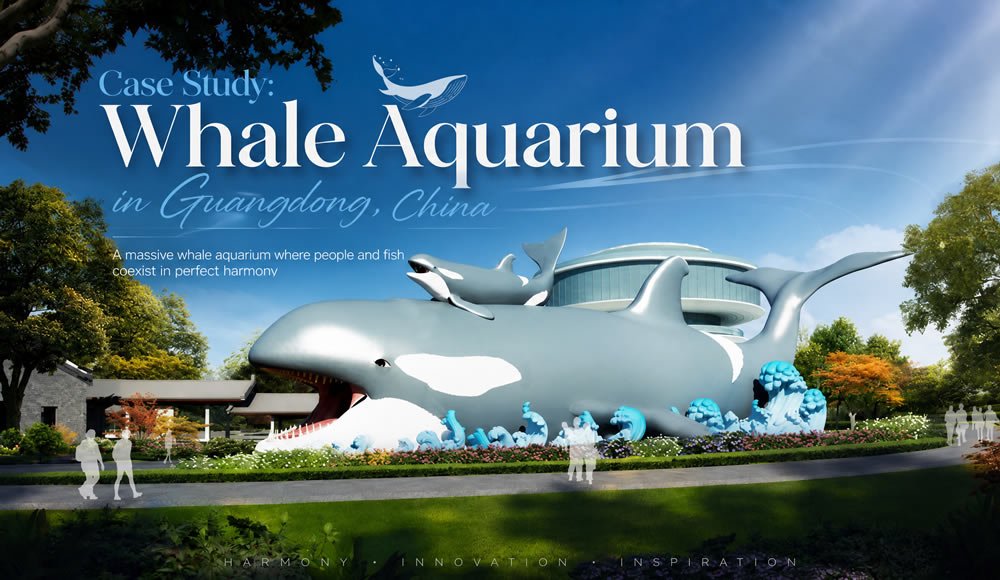
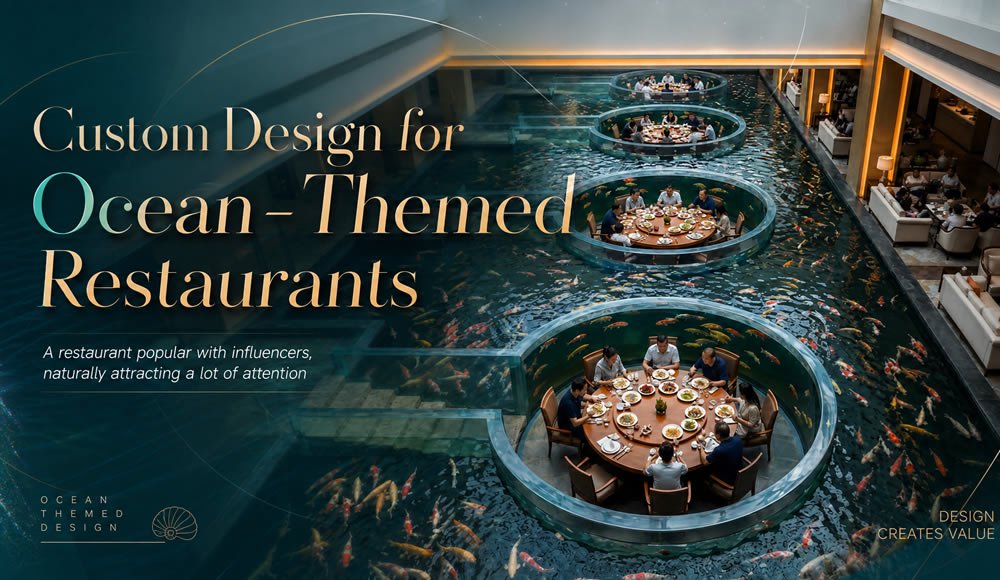
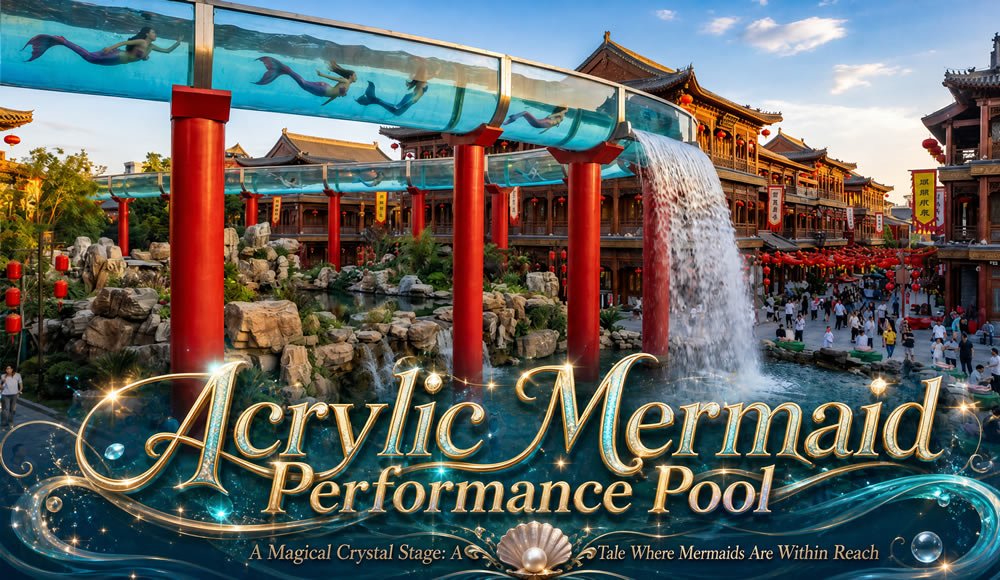
In the realm of swimming pool design and construction, glass pools and conventional pools represent two distinctly different aesthetic philosophies and technical approaches. With advances in construction technology, transparent pools have gradually transitioned from concept to reality, delivering revolutionary visual experiences for high-end residences, hotels, and commercial spaces. Today, Shanghai Qiankai Marine Engineering will systematically analyze the core differences between the two in terms of materials, structure, visual effects, user experience, and maintenance requirements.
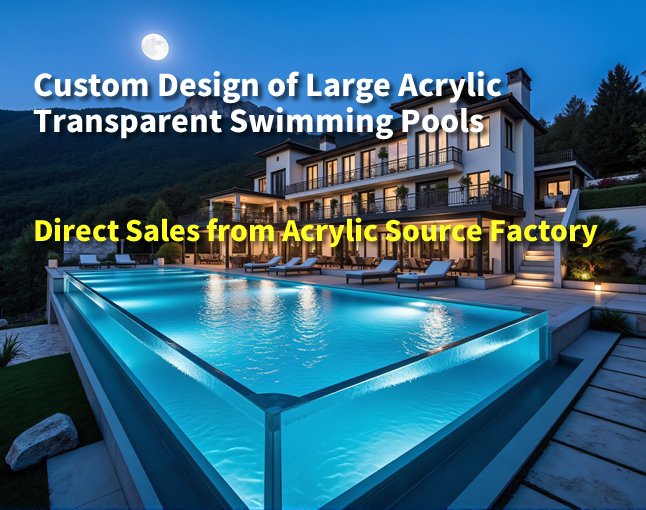
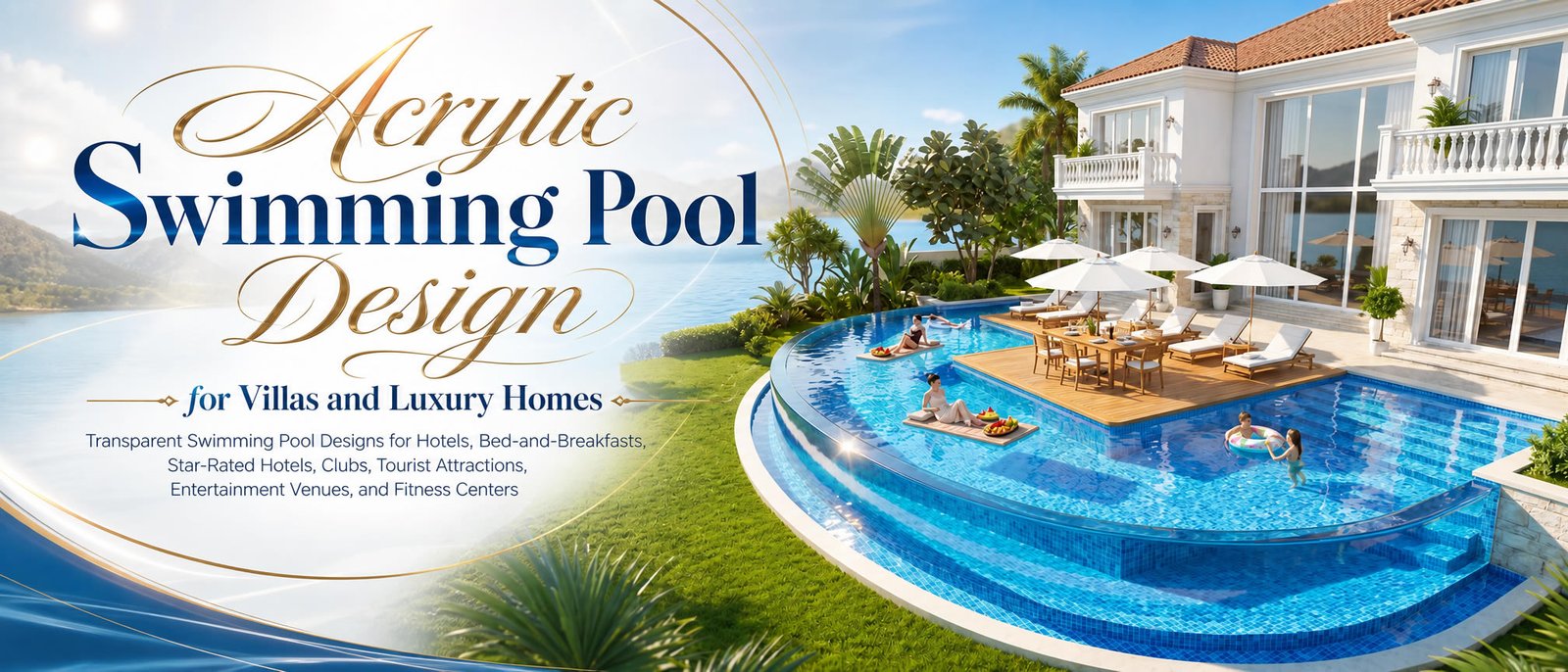
 Acrylic Swimming Pool
I. Materials and Structure: A Clash of Tradition and Innovation
Conventional pools typically employ mature techniques like concrete pouring, tile cladding, or fiberglass monocoque construction. These materials offer relatively controllable costs and highly standardized construction methods, meeting the basic needs of most households and commercial venues.
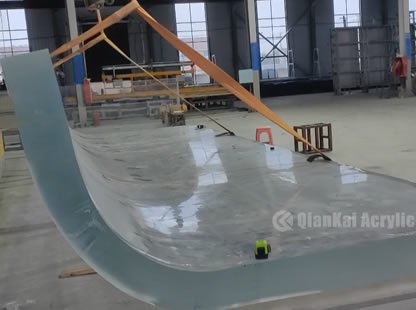
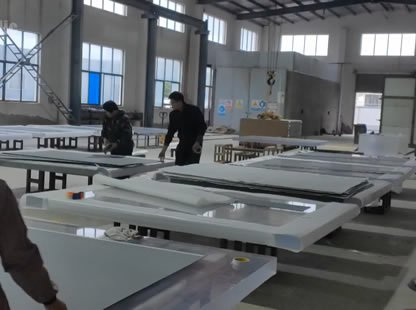
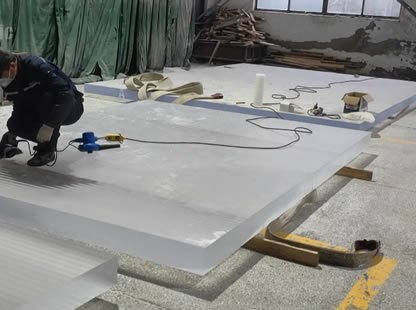
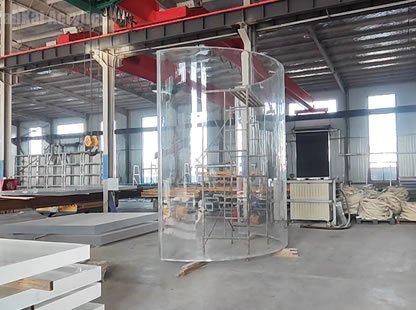
Glass pools, however, rely on high-strength tempered glass or acrylic materials. Acrylic panels, in particular, boast light transmittance exceeding 92% and excellent impact resistance. Structurally, glass pools demand precise mechanical calculations, typically employing laminated glass layers or metal frame integrations to ensure absolute safety under water pressure.
Second, Visual Impact: The Ultimate Contrast Between Enclosure and Transparency
This represents the most striking distinction between the two. No matter how exquisitely designed, a conventional pool remains fundamentally an “opaque container” where vision cannot penetrate the walls.
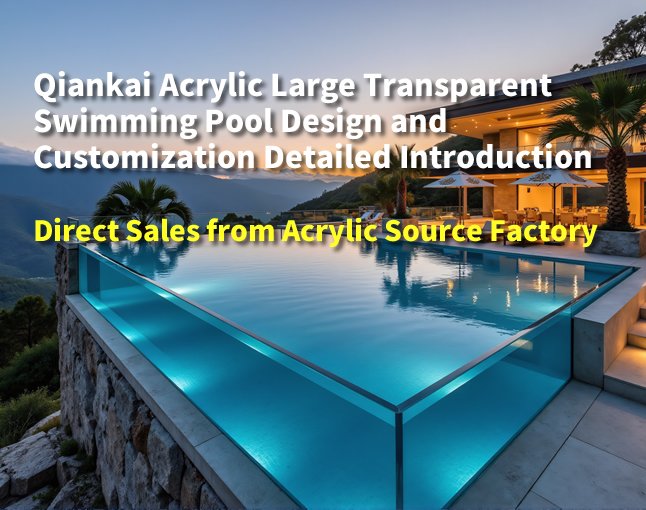
 Glass swimming pool
Glass pools, however, create a multidimensional visual experience:
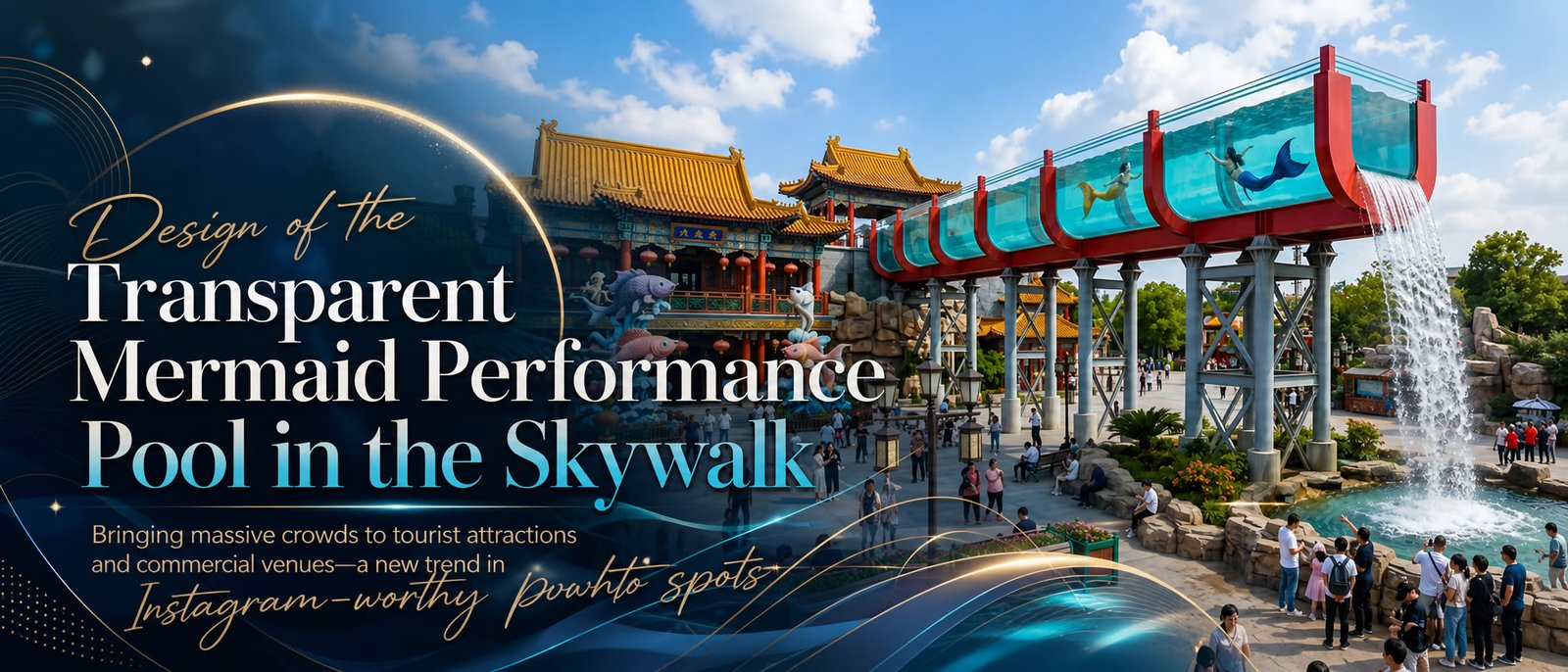
1. Overhead and Overhead Perspectives: Rooftop glass pools allow those below to observe aquatic movements from above.
2. Side Transparency: Infinity-edge glass walls seamlessly integrate water features with the surrounding environment
3. Light and Shadow Artistry: Sunlight filtering through water creates dynamic ripples, forming unique light-and-shadow aesthetics
4. Spatial Connectivity: Serving as a “transparent medium” within architecture, enhancing visual connections between different spaces
5. Design and Construction: Differences in Standardization and Customization
6. Conventional pool design follows established standards, with mature templates and construction processes for everything from residential pools to Olympic-sized facilities.
 Glass swimming pool
Glass pools, however, are highly customized projects requiring:
1. Precise structural analysis
2. Specialized waterproofing and sealing systems
3. Custom glass or acrylic components
4. Professional optical design to prevent visual distortion
5. Integrated lighting and filtration systems with specialized solutions
Third, User Experience: Differing Emphases on Functionality and Sensory Appeal
Conventional pools prioritize practicality, with highly optimized features like water temperature maintenance, filtration systems, and safety measures—ideal for daily exercise and leisure.
 Glass pools elevate the experience through immersive features:
1. Novel underwater viewing perspectives
2. Enhanced interaction with surrounding environments
3. Unique social display capabilities
4. Psychological pleasure from shifting light and shadow effects
Fourth, Maintenance and Cost: Balancing Economy and Luxury
In terms of upkeep, conventional pools benefit from established cleaning and maintenance systems with readily available replacement parts, ensuring relatively stable long-term costs.
Glass pools present distinct challenges:
1. High cleaning demands: Requires specialized tools to maintain transparency
2. Sealing system maintenance: Regular inspection of waterproof seals
3. Material aging concerns: Acrylic surfaces may develop micro-scratches over time
4. Complex repairs: Replacing individual components may involve system-level engineering
 Cost-wise, glass or acrylic pools typically cost 2-5 times more than conventional pools of equivalent size. This premium stems from specialty materials, custom designs, and intricate construction techniques.
Application Scenarios: Mass-market vs. High-end positioning
Conventional pools are widely used in residential communities, fitness centers, schools, and other venues as accessible recreational facilities.
Glass pools are more commonly found in:
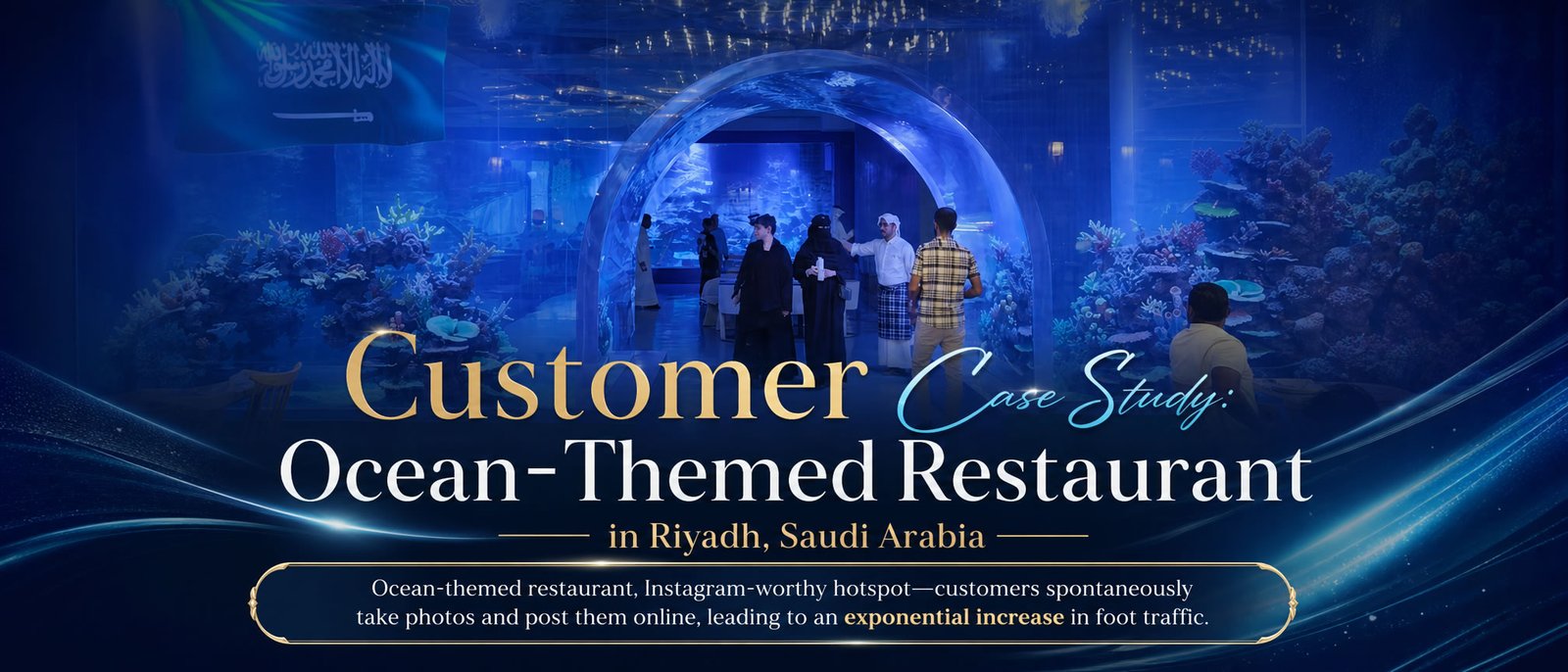
1. Luxury resorts and high-end residences
2. Signature designs in commercial buildings
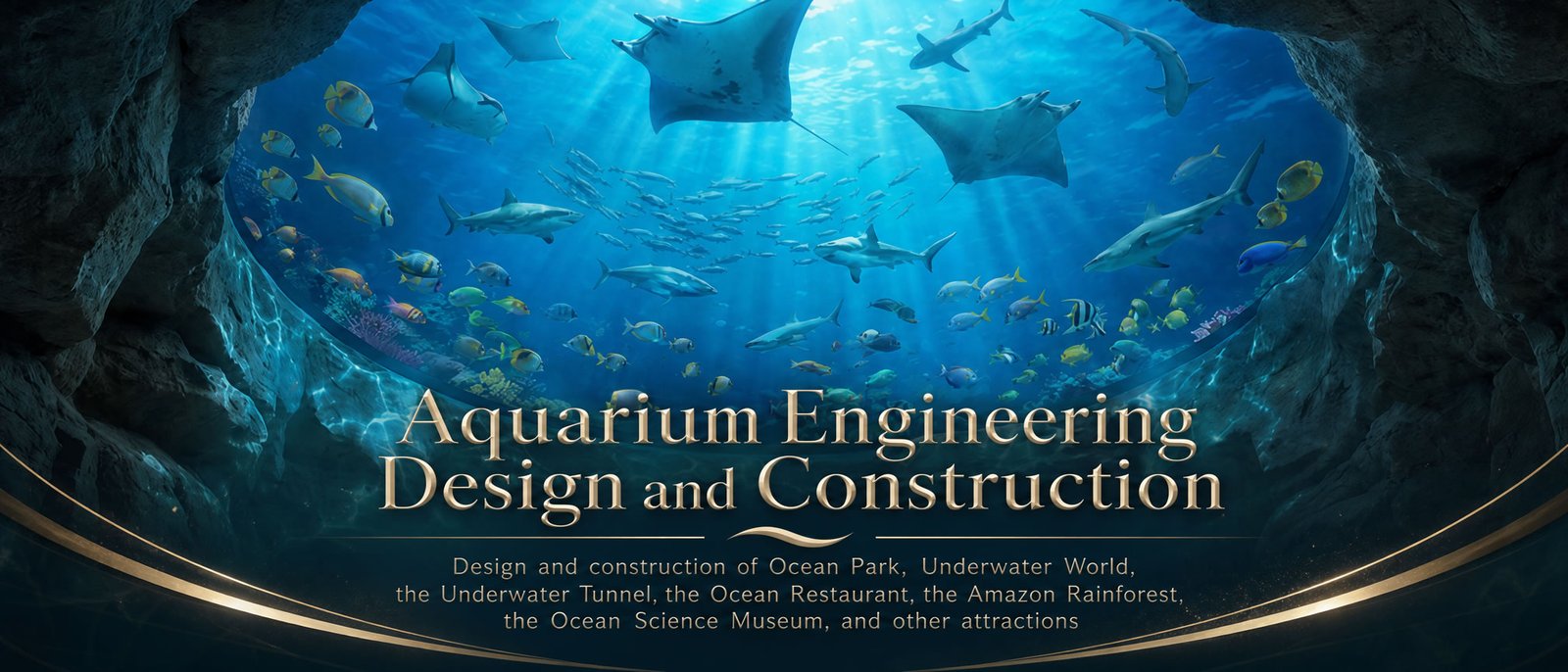
3. Exhibition areas in marine parks and aquariums
4. Art installations in special architectural projects
Future Development Trends
Advances in materials science are driving glass pools toward enhanced safety, intelligence, and energy efficiency. Innovations like self-cleaning glass technology, smart dimming systems, and integrated water treatment equipment are reducing maintenance complexity and accessibility barriers.
 Conclusion: Selecting the Right Pool Type
When choosing a pool type, comprehensively consider:
1. Budget constraints: Standard pools offer better cost-effectiveness
2. Structural conditions: Glass pools require specialized structural support
3. Usage requirements: Daily exercise or visual display
4. Maintenance capacity: Long-term upkeep costs and time investment
 Castle Acrylic Swimming Pool
Conventional pools offer economical solutions for basic needs, while glass pools embody the fusion of architectural aesthetics and engineering, providing a unique option for users seeking ultimate experiences. Regardless of choice, professional design and construction are crucial for ensuring safety and optimal enjoyment.
As transparent material costs gradually decrease and construction techniques become more accessible, glass pools are poised to transition from exclusive luxury to broader applications, bringing the extraordinary experience of “swimming amidst light and shadow” to more people.










 Optimized by Seraphinite Accelerator